
Course
Write an introduction that summarizes the expected outcomes of this course.
-
-
Lesson 1
Introduce your lesson with an optional, short summary. You can edit this excerpt in lesson settings.
Introduce your lesson with an optional, short summary. You can edit this excerpt in lesson settings.
-
Lesson 2
Introduce your lesson with an optional, short summary. You can edit this excerpt in lesson settings.
Introduce your lesson with an optional, short summary. You can edit this excerpt in lesson settings.
-
-
-
Lesson 1
Introduce your lesson with an optional, short summary. You can edit this excerpt in lesson settings.
Introduce your lesson with an optional, short summary. You can edit this excerpt in lesson settings.
-
Lesson 2
Introduce your lesson with an optional, short summary. You can edit this excerpt in lesson settings.
Introduce your lesson with an optional, short summary. You can edit this excerpt in lesson settings.
-
Meet Your Instructor
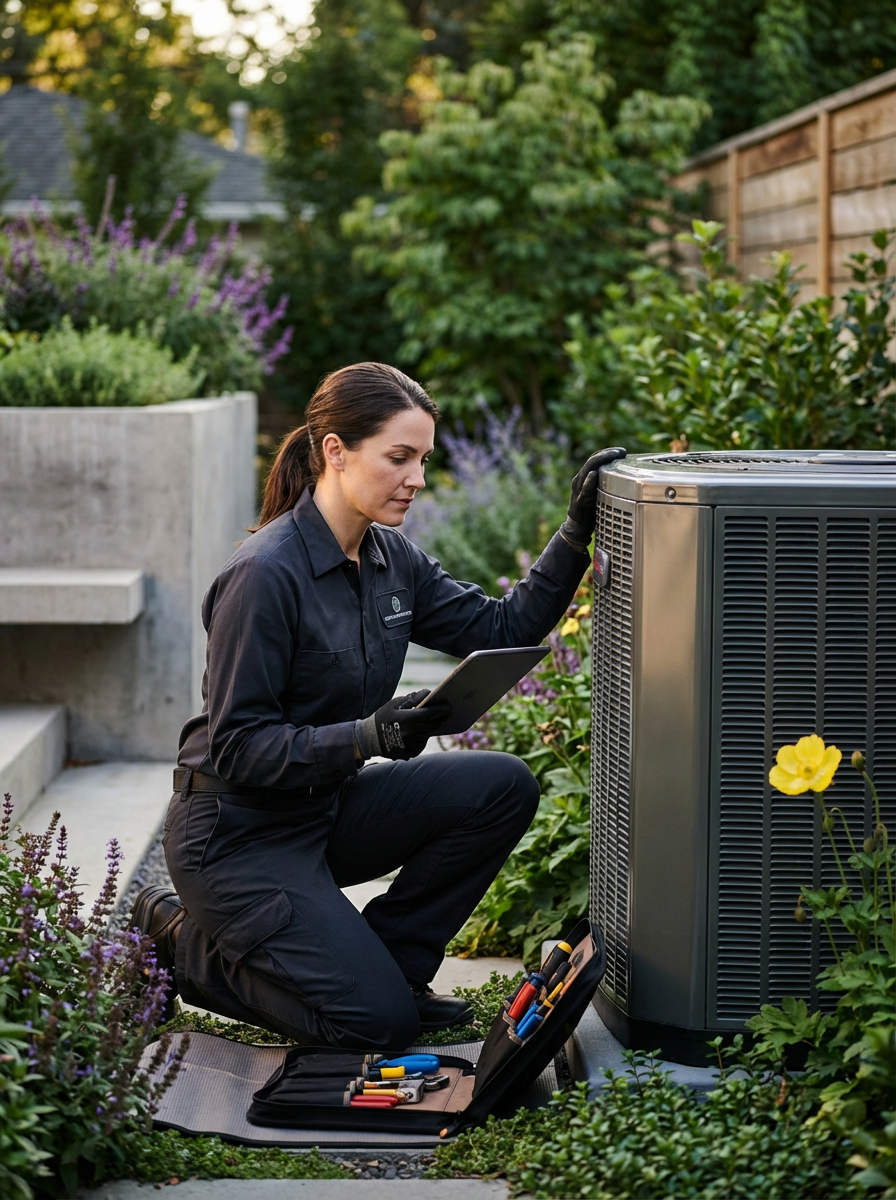
With two decades of applied HVAC engineering and field diagnostics experience, your instructor integrates theoretical foundations with proven implementation frameworks, ensuring that every module translates directly into measurable improvements for contemporary residential cooling systems.
Frequently Asked Questions
-
The curriculum assumes familiarity with basic HVAC terminology and fundamental thermodynamic principles; however, supplementary primers embedded in the first module facilitate rapid onboarding for motivated learners seeking to strengthen foundational concepts.
-
All lectures, technical briefs, and interactive assessments are hosted on a secure learning management system that enables participants to access materials twenty-four hours a day, thereby allowing each learner to advance through the syllabus at a pace aligned with personal schedules and project obligations.
-
Yes, the programme integrates high-definition video walk-throughs, annotated schematics, and step-by-step field recordings that collectively demonstrate the correct usage of diagnostic instruments, refrigerant gauges, and airflow measurement devices under real-world conditions.
-
Upon satisfactory completion of all modules and a proctored final assessment, participants receive a digital certificate of achievement that can be presented to employers, clients, or professional associations as evidence of continuing education in residential air conditioning optimization.